
Knee Injury Physiotherapy in Kitsilano: Expert Care at Complete Physio
Imagine jogging through the beautiful trails of Kitsilano on a crisp morning, only to be halted by a sudden twinge of knee pain. Is this just fatigue, or could it signify something more serious? Recognizing when to seek professional physiotherapy for knee injuries is crucial to preventing further damage and ensuring a swift recovery.
This guide from Complete Physio, the most reviewed physiotherapy clinic in Kitsilano, Vancouver, will help you identify when your knee injury requires expert attention. Whether you’re dealing with an ACL tear or persistent discomfort, knowing when to consult a physiotherapist is essential for effective healing.
Signs Your Knee Injury Needs Physiotherapy
Persistent knee pain, swelling, and instability are clear indicators that physiotherapy is necessary. Early intervention can prevent long-term damage and expedite recovery.
Q: What are common signs of a serious knee injury?
A: Severe pain, swelling, inability to fully straighten the knee, and instability suggest the need for a physiotherapy consultation.
At Complete Physio in Kitsilano, our team provides thorough assessments and tailored treatment plans. Book an appointment to start your recovery journey today.
How Long Does ACL Rehab Take?
ACL rehabilitation typically requires 6-12 months, depending on the injury’s severity and individual healing factors. A structured rehab program is crucial for a successful return to sports.
According to a 2024 study in the Journal of Orthopaedic & Sports Physical Therapy, personalized rehab plans lead to optimal outcomes. At Complete Physio, we offer comprehensive ACL rehab to support your recovery.
Can You Run with Knee Pain?
Running with knee pain is generally discouraged as it may exacerbate the injury and lead to further complications. Rest and targeted physiotherapy are recommended for safe recovery.
Continuing with activity can increase stress on the knee joint, potentially worsening the condition. At Complete Physio, we provide guidance and tailored exercises to ensure you return to running safely.
How to Know If You’re Ready to Play Again
Determining readiness to return to sport involves assessing knee stability, strength, and overall function. A comprehensive evaluation by a physiotherapist is essential.
Q: What factors indicate it’s safe to resume sports?
A: Pain-free movement, full range of motion, and strength comparable to the uninjured leg are key indicators of readiness.
Our Sports Physiotherapy program includes return-to-sport testing, ensuring athletes are ready for the demands of their sport.
Should You See a Physio or Just Rest?
While rest is important, physiotherapy offers targeted treatment to address the injury’s root cause, promoting faster recovery.
Engaging in a physiotherapy program can significantly reduce recovery time compared to rest alone, as it involves specific exercises and manual techniques to restore function.
For more on our approach, visit Physiotherapy Services.
What Does a Sports Physio Actually Do?
A sports physiotherapist specializes in the prevention, diagnosis, and treatment of sports-related injuries through exercise, manual therapy, and education.
Our team at Complete Physio uses comprehensive assessments to develop personalized recovery programs, focusing on strengthening, flexibility, and functional movement.
Learn more about our services Sports Physiotherapy.
Frequently Asked Questions About Knee Injury Physiotherapy in Kitsilano, Vancouver
Why Choose Complete Physio for Knee Injury Rehabilitation?
Complete Physio in Kitsilano offers personalized treatment plans, expert physiotherapists, and a patient-centered approach, ensuring optimal recovery.
What Should You Expect on Your First Physiotherapy Visit?
You’ll receive a thorough assessment, discuss your injury history, and start with a personalized treatment plan aimed at your specific recovery goals.
How Can Physiotherapy Help with Knee Pain?
Physiotherapy reduces pain through targeted exercises, manual therapy, and education, helping you regain strength and mobility.
Is Physiotherapy Covered by Insurance?
Yes, Complete Physio offers direct billing to major insurance providers, including Sun Life, Manulife, and Pacific Blue Cross, for a hassle-free experience.
How Long Does a Physiotherapy Session Last?
Sessions typically last 30 to 60 minutes, depending on your treatment plan and progress. Regular evaluations ensure your recovery is on track.
When Should You Start Physiotherapy After a Knee Injury?
It’s advisable to begin physiotherapy as soon as possible to prevent further damage and promote effective healing.
Can Physiotherapy Prevent Future Knee Injuries?
Yes, physiotherapy strengthens muscles, enhances flexibility, and improves joint stability, reducing the risk of future injuries.
Complete Physio in Kitsilano, Vancouver, offers a comprehensive approach to knee injury rehabilitation, providing expert care and personalized treatment plans to help you return to your active lifestyle. Whether you’re experiencing knee pain or recovering from surgery, our team is here to support you every step of the way. Book a Physio Appointment today to start your healing journey.
Recommended Reading
Explore our Complete Physio Blog for more insights on injury prevention and recovery.
Discover how we manage Back Pain Treatment for comprehensive recovery.
Learn about Dry Needling and its benefits in pain management.
========================================
Understanding Common Knee Injuries
Knee injuries are prevalent among athletes and active individuals, often resulting from trauma or overuse. Understanding the types of knee injuries can guide effective treatment and prevention strategies.
Types of Knee Injuries
-
ACL Injuries: The anterior cruciate ligament (ACL) is crucial for knee stability. Tears often occur during sports involving sudden stops and changes in direction, like soccer and basketball.
-
Meniscus Tears: The meniscus acts as a cushion between your shinbone and thighbone. Tears can result from twisting or rotating the knee while bearing weight.
-
Patellar Tendinitis: Commonly known as “jumper’s knee,” this involves inflammation of the tendon connecting the kneecap to the shinbone, frequently seen in activities with repetitive jumping.
-
Knee Bursitis: Inflammation of the bursae, the small fluid-filled sacs cushioning the knee joint, often caused by repetitive kneeling or direct impact.
Understanding these injuries’ mechanisms can aid in early recognition and the pursuit of appropriate treatment, enhancing recovery outcomes.
The Importance of Early Intervention in Knee Injuries
Promptly addressing knee injuries with physiotherapy can significantly enhance recovery and prevent chronic issues. Delayed treatment can lead to complications such as persistent pain, instability, and reduced functionality.
Q: Why is early intervention crucial for knee injuries?
A: Early intervention prevents further damage and facilitates faster recovery by addressing the injury’s root cause before it worsens.
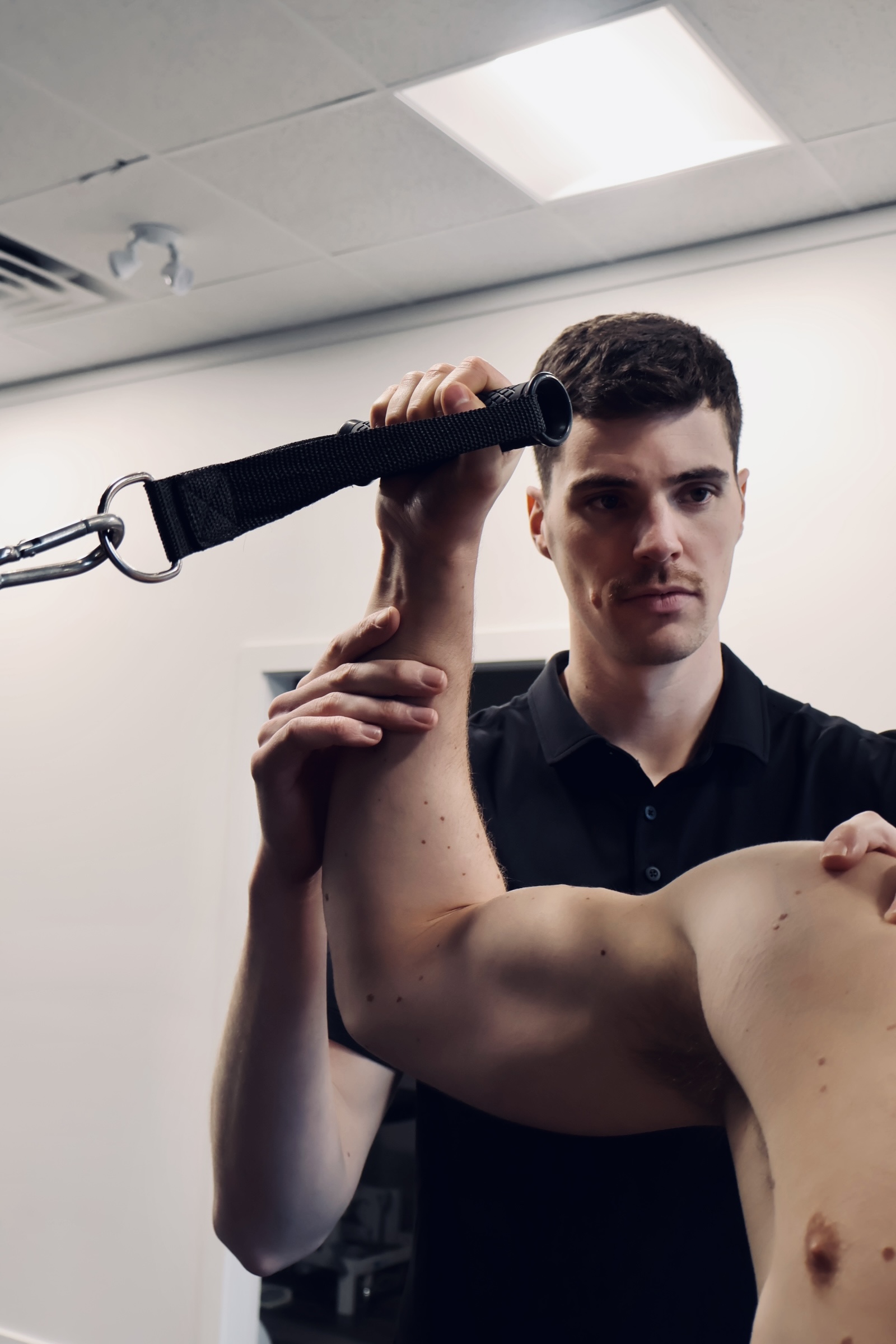
Complete Physio in Kitsilano emphasizes timely assessments to create personalized treatment plans, ensuring that patients receive the care they need when it matters most.
Developing Personalized Recovery Plans
At Complete Physio, each patient receives a bespoke recovery plan tailored to their specific needs and goals. This personalized approach ensures that treatment is not only effective but also aligns with the individual’s lifestyle and aspirations.
Components of a Recovery Plan
-
Initial Assessment: Comprehensive evaluation of the injury, including range of motion, strength tests, and functional assessments.
-
Treatment Goals: Setting realistic, attainable goals to guide the rehabilitation process.
-
Customized Exercises: Strengthening and flexibility exercises tailored to the patient’s condition and progress.
-
Manual Therapy: Techniques such as joint mobilization and soft tissue massage to alleviate pain and improve mobility.
-
Progress Monitoring: Regular check-ins to adjust the treatment plan as needed, ensuring that recovery stays on track.
This comprehensive approach allows patients to actively participate in their recovery, fostering a sense of control and empowerment throughout the healing process.
Case Study: Athlete’s Recovery Journey
Meet Sarah, a 28-year-old soccer player from Vancouver. She sustained an ACL injury during a match, which brought her season to an abrupt halt. Determined to return to the sport she loves, Sarah sought treatment at Complete Physio.
Initial Assessment: Sarah’s physiotherapist conducted a thorough evaluation, identifying not only the ACL tear but also areas of muscle weakness and imbalance contributing to her injury.
Treatment Plan: Her personalized plan included targeted strengthening exercises, knee stability drills, and gradual reintroduction to sport-specific activities.
Outcome: After six months of committed rehabilitation, Sarah returned to the field with improved strength, confidence, and a deeper understanding of injury prevention.
Sarah’s story exemplifies how a targeted and patient-centered approach can lead to successful outcomes, even after significant injuries.
Key Rehabilitation Techniques for Knee Injuries
Rehabilitation techniques play a crucial role in restoring function and preventing re-injury. At Complete Physio, a variety of methods are employed to address diverse needs:
1. Strengthening Exercises
Focusing on the quadriceps, hamstrings, and calf muscles to provide better support and stability to the knee joint.
2. Balance and Proprioception Training
Exercises designed to improve coordination and balance, essential for preventing future injuries.
3. Flexibility and Stretching
Regular stretching of the muscles around the knee to maintain flexibility and reduce stiffness.
4. Manual Therapy
Includes joint mobilizations and manipulations to restore optimal movement patterns in the knee joint.
These techniques, when combined, form a comprehensive rehabilitation strategy that addresses all aspects of knee injury recovery.
Comparing Physiotherapy Options for Knee Injuries
Choosing the right physiotherapy approach can significantly impact your recovery journey. Here’s a comparison of common options:
Option Benefits Considerations Best For In-Clinic Physiotherapy Access to specialized equipment and direct supervision by professionals. Requires scheduling and travel to the clinic. Severe injuries requiring close monitoring. Home Exercise Programs Convenient and flexible, allowing for rehabilitation in your own space. Requires self-motivation and adherence to the plan. Mild injuries or as an adjunct to in-clinic sessions. Telehealth Physiotherapy Virtual consultations providing professional guidance from anywhere. Limited hands-on treatment and assessment capability. Follow-ups and ongoing support.
Each option has its advantages, and at Complete Physio, we help you choose the best approach for your specific needs and lifestyle.
Preventing Future Knee Injuries
Prevention strategies are paramount in maintaining knee health and avoiding recurrent injuries. Here are some key tips:
-
Strength Training: Regularly strengthen the muscles around the knee to improve support and stability.
-
Proper Footwear: Wear shoes that provide adequate support and cushioning for your activities.
-
Warm-Up and Cool Down: Engage in proper warm-up routines before and cool-down exercises after physical activities.
-
Maintain Flexibility: Incorporate stretching into your routine to maintain muscle flexibility and joint mobility.
-
Modify Activities: Adjust activities to avoid repetitive stress and impact on the knees, especially if you’ve had previous injuries.
At Complete Physio, we offer assessments and personalized advice to help you incorporate these strategies into your lifestyle, reducing the risk of future knee injuries.
The Role of Technology in Knee Injury Rehabilitation
Innovative technology has become an integral part of physiotherapy, enhancing treatment effectiveness and patient engagement. At Complete Physio, we utilize advanced tools and techniques to support our patients’ recovery journeys.
1. Motion Analysis Systems
These systems evaluate movement patterns, helping to identify dysfunctions and track improvements over time.
2. Biofeedback Devices
Provide real-time feedback on muscle activation and joint alignment, assisting patients in performing exercises correctly.
3. Virtual Reality (VR)
Used for immersive rehabilitation exercises, VR engages patients and makes therapy more enjoyable.
By integrating these technologies, Complete Physio ensures that patients receive cutting-edge care tailored to their needs.
Community Involvement and Support
Complete Physio is committed to fostering a supportive community for individuals recovering from knee injuries. Our events and workshops are designed to educate and empower patients.
Workshops: Regularly held to educate the community on injury prevention, treatment options, and the latest advancements in physiotherapy.
Support Groups: Provide a platform for individuals to share experiences, challenges, and successes, building a network of encouragement and motivation.
Through these initiatives, Complete Physio aims to not only treat injuries but also build a healthier, more informed community in Kitsilano and beyond.
Expanded Frequently Asked Questions
What is the typical cost of knee injury physiotherapy?
Knee injury physiotherapy costs vary based on the treatment plan and session frequency. Contact Complete Physio for detailed pricing information and insurance coverage options.
How soon can I expect to see improvements?
Improvement timelines vary depending on the injury’s severity and individual healing rates. Many patients notice positive changes within a few weeks of starting physiotherapy.
Can physiotherapy fully restore knee function?
Physiotherapy significantly improves knee function by restoring strength, flexibility, and stability. However, full recovery depends on the injury’s nature and the patient’s commitment to the rehabilitation process.
How do I know if my knee injury is serious?
Severe pain, swelling, inability to bear weight, or knee instability are signs of a serious injury that requires professional evaluation.
Is it normal to feel soreness after physiotherapy sessions?
Some soreness is normal after physiotherapy as your body adapts to new exercises and movements. However, persistent pain should be discussed with your physiotherapist.
What should I bring to my physiotherapy appointments?
Wear comfortable clothing that allows easy movement, and bring any relevant medical reports or imaging results for your physiotherapist to review.
Conclusion and Next Steps
Recovering from a knee injury requires a comprehensive approach that combines expert physiotherapy, personalized care, and patient education. At Complete Physio in Kitsilano, Vancouver, our dedicated team is committed to helping you achieve a full recovery and return to the activities you love.
Don’t let knee pain hold you back. Book a Physio Appointment today and take the first step towards a healthier, more active lifestyle. For more information on injury prevention and treatment options, explore our Complete Physio Blog.
Understanding Knee Anatomy and Its Role in Injury
The knee is a complex hinge joint, crucial for everyday movements and athletic activities. Its structure comprises bones, ligaments, tendons, and cartilage, each playing a vital role in knee function and stability.
Key Components of the Knee
-
Femur: The thighbone that forms the upper part of the knee joint.
-
Tibia: The shinbone that supports the lower part of the knee joint.
-
Patella: Also known as the kneecap, it protects the knee joint.
-
Ligaments: Includes the ACL and PCL, which provide front-to-back stability, and the MCL and LCL, which stabilize the sides of the knee.
-
Meniscus: Two C-shaped cartilage pieces that cushion the joint and improve stability.
Understanding these components helps in diagnosing and treating knee injuries effectively. Each part can be vulnerable to different types of injuries, affecting your overall mobility and comfort.
The Psychological Impact of Knee Injuries
Beyond physical pain, knee injuries can significantly impact mental health, leading to anxiety, depression, and fear of re-injury. Understanding and addressing these psychological effects is crucial for comprehensive rehabilitation.
Addressing Mental Health in Rehabilitation
-
Education: Providing patients with information about their injury and recovery process to reduce anxiety.
-
Counseling: Offering mental health support or referrals to specialists to address emotional distress.
-
Motivation: Setting realistic goals and celebrating small victories to keep patients motivated.
At Complete Physio, we recognize the importance of treating the whole person, not just the injury, ensuring a holistic recovery approach.
The Role of Nutrition in Knee Injury Recovery
Proper nutrition plays a crucial role in healing and recovery from knee injuries. A balanced diet can enhance recovery speed, reduce inflammation, and strengthen the immune system.
Essential Nutrients for Recovery
-
Protein: Vital for tissue repair and muscle rebuilding.
-
Omega-3 Fatty Acids: Reduce inflammation and support joint health.
-
Vitamin C: Enhances collagen production, essential for ligament and tendon health.
-
Calcium and Vitamin D: Strengthen bones and aid in the absorption of nutrients.
Incorporating these nutrients into your diet can significantly impact your rehabilitation process, aiding in faster and more effective healing.
Advanced Rehabilitation Techniques
Complete Physio employs a range of advanced rehabilitation techniques to ensure comprehensive recovery from knee injuries. These state-of-the-art methods are tailored to meet the specific needs of each patient.
Innovative Treatments
-
Hydrotherapy: Utilizes water’s buoyancy and resistance to enhance mobility and strength without stressing the knee.
-
Electric Stimulation: Promotes muscle re-education and reduces pain through electrical impulses.
-
Laser Therapy: Reduces inflammation and promotes healing at the cellular level.
-
Shockwave Therapy: Uses sound waves to stimulate healing and reduce chronic pain.
These advanced techniques are integrated into personalized treatment plans, ensuring optimal recovery outcomes.
Community Support and Resources for Recovery
Recovering from a knee injury is not just about physical treatment; community support plays a critical role in the rehabilitation journey. Engaging with local resources can provide additional support and encouragement.
Local Support Networks
-
Support Groups: Connect with others facing similar challenges to share experiences and advice.
-
Workshops and Seminars: Attend educational events to learn more about injury prevention and management.
-
Recreational Programs: Participate in low-impact activities designed for those recovering from injuries.
Complete Physio collaborates with community organizations to provide a network of resources for our patients, helping them stay motivated and informed.
Comprehensive FAQ for Knee Injury Physiotherapy
What are the first steps after a knee injury?
Immediately after a knee injury, it’s important to rest, apply ice to reduce swelling, compress the area, and elevate the leg. Seeking a professional evaluation at Complete Physio can help determine the severity and appropriate treatment.
How does physiotherapy help in post-surgical knee recovery?
Physiotherapy is vital post-surgery, helping to restore strength, flexibility, and function through targeted exercises and manual therapy. At Complete Physio, we tailor post-surgical plans to individual recovery needs.
What should I avoid during knee injury recovery?
Avoid high-impact activities, prolonged periods of inactivity, and movements that cause pain or discomfort. Follow your physiotherapist’s guidance to ensure a safe and effective recovery.
How long should I expect to be in physiotherapy?
The duration of physiotherapy varies depending on the injury’s severity and individual progress. Most programs last several weeks to months, with regular assessments to adjust the plan as needed.
Can physiotherapy sessions be done at home?
While some exercises can be performed at home, in-clinic sessions at Complete Physio provide access to specialized equipment and professional supervision, ensuring optimal progress and safety.
What if I don’t see improvement with physiotherapy?
If progress is slow, your physiotherapist may adjust your treatment plan or recommend additional interventions. Continuous communication with your provider is key to addressing concerns and achieving your goals.
Is there a risk of re-injury after completing physiotherapy?
While physiotherapy significantly reduces the risk of re-injury by strengthening the knee and improving mechanics, maintaining an active lifestyle with proper techniques is essential for long-term health.
Complete Physio in Kitsilano, Vancouver, is dedicated to providing comprehensive knee injury physiotherapy, ensuring that each patient receives personalized care tailored to their specific needs. Our expert team is here to support you every step of the way. Book a Physio Appointment today and take the first step toward a healthier, more active life. For more information on our services, visit our Complete Physio Blog.