
Understanding ACL Injuries: Causes, Rehabilitation, and Why Choose Complete Physio
-
Introduction to ACL Injuries
-
Causes of ACL Injuries
-
Symptoms and Diagnosis
-
Rehabilitation Programs
-
Prevention Strategies
-
Why Complete Physio in Vancouver?
-
FAQs on ACL and Physiotherapy
-
Conclusion and Call to Action
-
Recommended Topics
The anterior cruciate ligament (ACL) is a crucial component of knee stability, and injuries to this ligament can be both painful and debilitating. ACL injuries are especially common among athletes, impacting their ability to perform and often requiring extensive rehabilitation. Understanding the causes, symptoms, and recovery process is essential for anyone facing this challenge.
Whether you’re an athlete or someone who has suffered an ACL injury, knowing the best path to recovery can make a significant difference. This article will explore the causes of ACL injuries, the rehabilitation process, and why Complete Physio in Vancouver is your ideal partner in recovery.
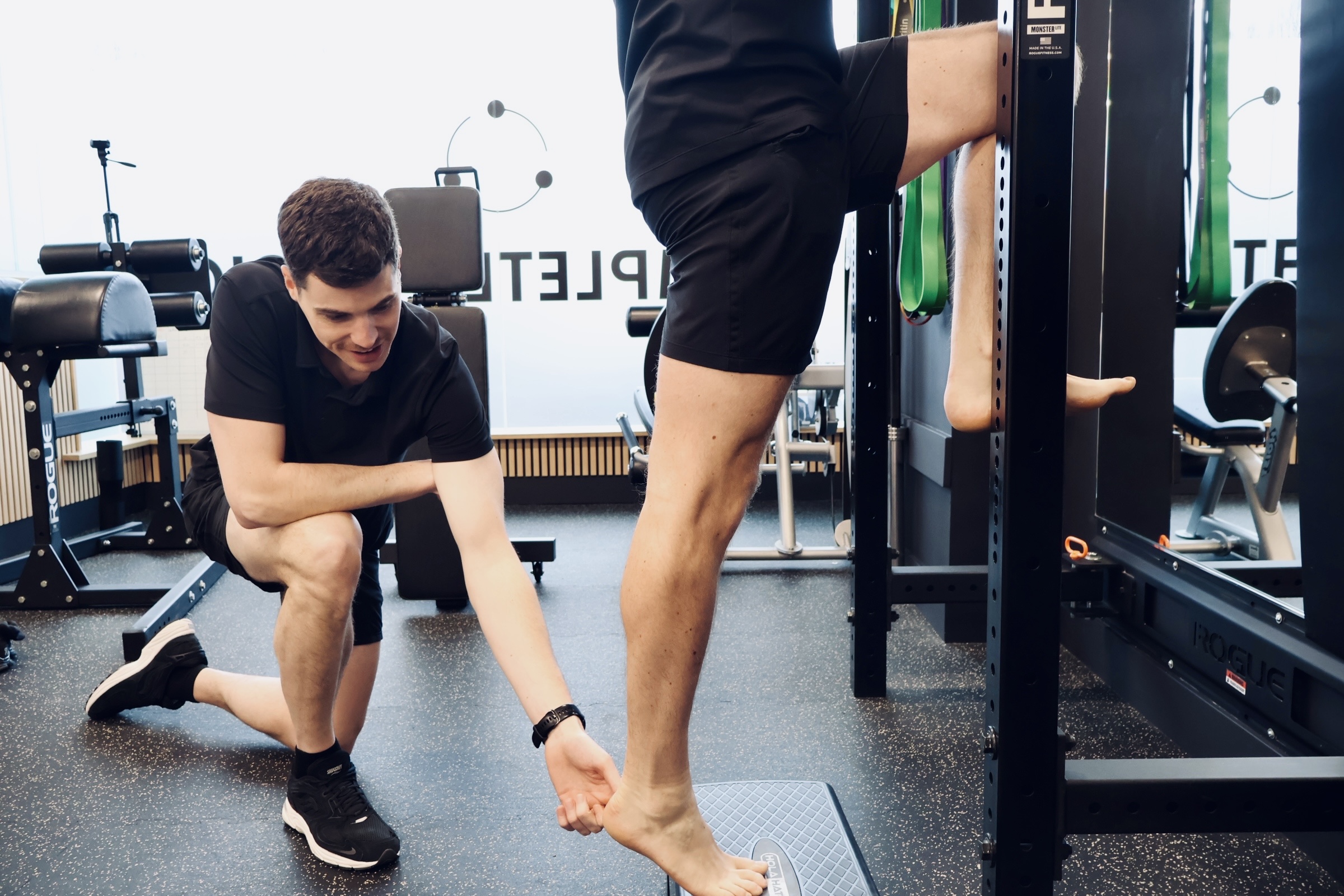
Introduction to ACL Injuries
An ACL injury is a tear or sprain of the anterior cruciate ligament, one of the major ligaments in your knee. It is a common injury among athletes, particularly in sports that involve sudden stops or changes in direction, like soccer, basketball, and skiing.
What is the ACL?
The ACL is a band of tissue that connects the thigh bone (femur) to the shinbone (tibia) at the knee. It helps stabilize the knee joint and prevents excessive forward movement of the tibia.
-
The ACL is one of four key ligaments that maintain knee stability.
-
It is crucial for movements involving pivoting, jumping, and rapid changes of direction.
Understanding the role of the ACL is fundamental in appreciating the impact of its injury and the necessity for proper rehabilitation.
Causes of ACL Injuries
ACL injuries often occur during athletic activities, but they can also happen in everyday life. The primary causes include sudden stops or changes in direction, incorrect landings from jumps, and direct collisions or impacts.
Common Causes
-
Sudden directional changes or pivoting.
-
Improper landing techniques after jumps.
-
Direct impact to the knee, often seen in contact sports.
-
Muscle imbalances and poor conditioning.
Research indicates that females are more prone to ACL injuries than males, due to differences in anatomy, muscle strength, and hormonal influences (The American Journal of Sports Medicine, 2023).
Can non-athletes injure their ACL? Yes, ACL injuries can occur during any activity that places significant stress on the knee joint, not just sports.
Symptoms and Diagnosis
The symptoms of an ACL injury are often immediate and severe, including a loud “pop” sound at the time of injury, pain, swelling, and instability in the knee.
Recognizing ACL Injury Symptoms
-
A popping sensation at the time of injury.
-
Severe pain and inability to continue activity.
-
Rapid swelling and loss of range of motion.
-
Feeling of instability or “giving way” in the knee.
Diagnosis typically involves a physical examination, MRI, or arthroscopy to assess the extent of the damage.
Is immediate treatment necessary? Yes, early intervention is crucial for minimizing damage and initiating effective rehabilitation.
Rehabilitation Programs
Rehabilitation for an ACL injury is a structured program designed to restore knee function, strength, and stability. It usually involves a combination of physical therapy, exercises, and sometimes surgery.
Stages of ACL Rehabilitation
-
Initial Recovery: Focus on reducing pain and swelling, regaining range of motion.
-
Strengthening: Exercises to strengthen muscles around the knee.
-
Advanced Training: Sport-specific training to restore agility and strength.
-
Return to Activity: Gradual return to full activity levels, ensuring stability and confidence in the knee.
A study published by The Journal of Orthopaedic & Sports Physical Therapy (2024) highlights that structured rehabilitation programs significantly improve outcomes and reduce re-injury rates.
How long does ACL rehabilitation take? The rehabilitation process can take anywhere from six months to a year, depending on the severity of the injury and the individual’s progress.
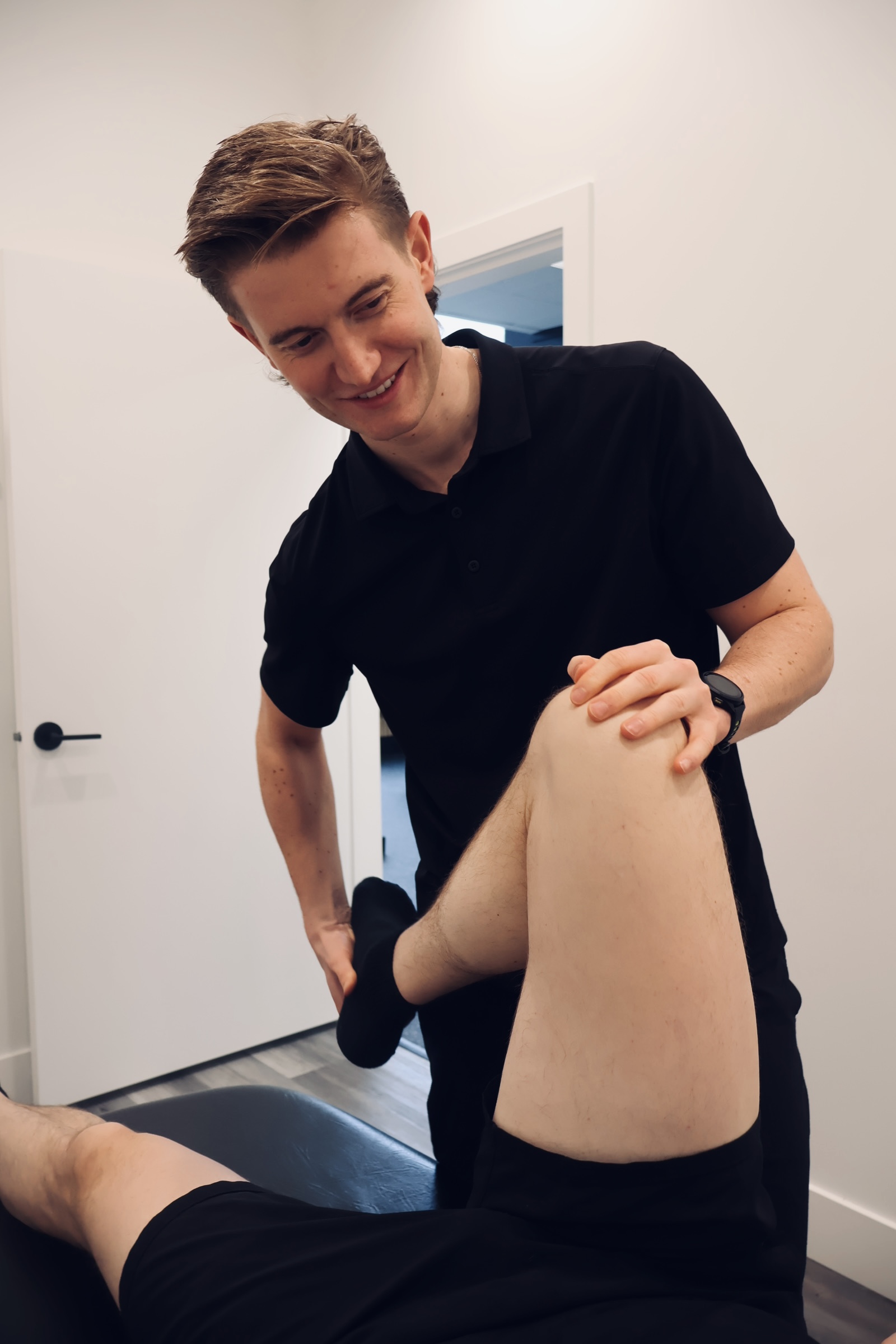
Prevention Strategies
Preventing ACL injuries involves a combination of strengthening exercises, proper technique, and awareness of body mechanics. Athletes and individuals engaging in physical activities can greatly benefit from preventive measures.
Effective Prevention Tips
-
Engage in strength training programs focused on the legs and core.
-
Practice proper landing techniques for jumps.
-
Incorporate flexibility and balance exercises into routine workouts.
-
Ensure adequate warm-up before engaging in sports or physical activities.
According to a meta-analysis in The BMJ (2024), comprehensive training programs that include neuromuscular training and proprioception exercises reduce ACL injury risk by up to 50%.
Why Complete Physio in Vancouver?
Complete Physio is a leading physiotherapy clinic in Vancouver, renowned for its expertise in sports and general physiotherapy. They offer personalized, evidence-based care tailored to each individual’s needs, ensuring optimal recovery from ACL injuries.
What Sets Complete Physio Apart?
-
Highly experienced staff with a track record of successful ACL rehabilitation.
-
State-of-the-art facilities and equipment.
-
Comprehensive, individualized treatment plans.
-
Convenient direct billing options for ICBC, WorkSafeBC, and private insurance.
With 350+ 5-star Google reviews, Complete Physio is the most reviewed clinic in Kitsilano, Vancouver, and is committed to helping the community stay active and pain-free. About Us
Ready to start your rehabilitation? Book a session at Complete Physio today for a tailored recovery plan. Book Appointment
FAQs on ACL and Physiotherapy
Do I need a doctor’s referral to see a physiotherapist for ACL rehabilitation?
No, you don’t need a referral to see a physiotherapist at Complete Physio for ACL rehabilitation. Contact Us
How many physiotherapy sessions will I need for ACL recovery?
The number of sessions varies depending on the injury’s severity and your progress, but a typical rehabilitation program ranges from several months to a year.
Can ACL injuries heal without surgery?
Some partial tears may heal with rehabilitation alone, but complete tears often require surgical intervention followed by rehabilitation for full recovery.
What is the difference between physiotherapy and massage therapy for ACL injuries?
Physiotherapy focuses on strengthening, mobility, and rehabilitation, while massage therapy primarily addresses muscle tension and circulation.
Does Complete Physio offer direct billing for insurance?
Yes, Complete Physio offers direct billing for ICBC, WorkSafeBC, and most private insurances, making the process easier for patients. ICBC Claims
Where is Complete Physio located, and is there parking?
Complete Physio is located at 1938 W Broadway, Vancouver, BC V6J 1Z2, with ample parking available for patients.
Conclusion and Call to Action
Recovering from an ACL injury is a journey that requires expert guidance, commitment, and a tailored approach. At Complete Physio, you receive personalized care designed to restore your mobility and prevent future injuries. With their expert team and patient-centered approach, you’re in the best hands to get back to your active lifestyle.
Ready to start your recovery? Choose Complete Physio for your ACL rehabilitation needs and take the first step towards a pain-free life. Book an appointment today.
Recommended Topics
Detailed Anatomy of the ACL
The anterior cruciate ligament (ACL) is one of the four main ligaments in the knee joint, playing a pivotal role in maintaining knee stability.
Structure and Function
The ACL is a band of dense fibrous connective tissue that runs diagonally through the middle of the knee. It attaches the femur to the tibia, preventing the tibia from sliding out in front of the femur and providing rotational stability to the knee.
-
Composed of two bundles: the anteromedial and posterolateral, which provide stability during different motions.
-
Works in conjunction with the posterior cruciate ligament (PCL) to stabilize the knee.
-
Vital for movements requiring pivoting, landing, and rapid directional changes.
Understanding its anatomy helps in appreciating the complexity of ACL injuries and the need for targeted rehabilitation strategies.
Common Misconceptions about ACL Injuries
There are several misconceptions about ACL injuries, which can influence how individuals approach treatment and rehabilitation.
Debunking Myths
-
Myth: ACL injuries only occur in professional athletes.
Fact: While common among athletes, ACL injuries can occur in anyone, including those engaged in everyday activities. -
Myth: Surgery is the only option for ACL tears.
Fact: Some partial tears can be effectively managed with physiotherapy alone, though complete tears often require surgical intervention. -
Myth: Recovery is quick and easy.
Fact: ACL rehabilitation is a long and gradual process that can take months to a year for full recovery.
By dispelling these myths, individuals can approach ACL injuries with a realistic understanding and commitment to the recovery process.
Real-World Case Studies
Examining real-world case studies offers insights into ACL recovery journeys and highlights the effectiveness of personalized rehabilitation programs.
Case Study: Professional Athlete Recovery
Consider the case of a professional soccer player who sustained an ACL injury during a game. Following surgical repair, the athlete engaged in a comprehensive rehabilitation program at Complete Physio, focusing on strength, stability, and sport-specific drills.
-
Initial focus on reducing swelling and regaining range of motion.
-
Progression to muscle strengthening and improving knee stability.
-
Advanced training incorporating soccer-specific movements and agility drills.
-
Full return to competitive play after nine months of dedicated rehabilitation.
This case underscores the importance of a structured rehabilitation plan tailored to the individual’s sport and performance level.
Impact of ACL Injuries on Daily Life
ACL injuries significantly impact daily life, affecting mobility, physical activity, and overall quality of life.
Consequences of ACL Injuries
-
Limited mobility and difficulty performing everyday activities like walking or climbing stairs.
-
Increased risk of developing osteoarthritis in the knee joint over time.
-
Pain and discomfort that can affect sleep and daily routines.
-
Psychological impact, including anxiety and fear of re-injury.
Recognizing these impacts highlights the need for comprehensive rehabilitation to restore function and improve quality of life.
Advanced Rehabilitation Techniques
In recent years, rehabilitation techniques for ACL injuries have evolved to incorporate cutting-edge technology and evidence-based practices.
Innovative Approaches
-
Neuromuscular Training: Focuses on improving coordination and control of movements to enhance knee stability.
-
Hydrotherapy: Utilizes water resistance to reduce stress on the knee while promoting strength and flexibility.
-
Virtual Reality (VR): Engages patients in interactive exercises that mimic real-life scenarios to improve functional outcomes.
-
Functional Electrical Stimulation (FES): Uses electrical pulses to stimulate muscle contractions, aiding in muscle re-education and strengthening.
These advanced techniques provide a dynamic and effective approach to ACL rehabilitation, enhancing recovery outcomes.
Cost and Insurance Considerations
Understanding the financial aspects of ACL rehabilitation is crucial for planning and decision-making.
Cost Factors and Insurance Options
-
The cost of rehabilitation can vary depending on the severity of the injury, the duration of therapy, and the specific treatments utilized.
-
Insurance coverage for ACL rehabilitation often includes physiotherapy sessions, surgical procedures, and post-operative care.
-
Complete Physio offers direct billing options for ICBC, WorkSafeBC, and private insurance plans, simplifying the process for patients.
Discussing financial considerations with healthcare providers ensures that patients can access the necessary care without undue financial burden.
FAQs on ACL and Physiotherapy
What activities should be avoided during ACL recovery?
Avoid high-impact activities, such as running or jumping, until your physiotherapist advises it is safe to resume. Gradual progression under professional guidance is key to avoiding re-injury.
Can I drive after an ACL injury?
Driving is generally not recommended immediately after an ACL injury, especially if the injured leg is required for operating the vehicle. Consult with your healthcare provider for personalized advice.
How can I reduce swelling after an ACL injury?
Apply ice packs, elevate the injured leg, and use compression bandages to manage swelling. Rest and avoid weight-bearing activities as advised by your physiotherapist.
Is it normal to experience pain during rehabilitation?
Some discomfort is normal during rehabilitation, but severe pain should be addressed immediately. Communicate with your physiotherapist to adjust your treatment plan as needed.
What role does nutrition play in ACL recovery?
Nutrition is vital for healing and recovery. Ensure a balanced diet rich in protein, vitamins, and minerals to support tissue repair and overall health.
How do physiotherapists track progress during ACL rehabilitation?
Progress is monitored through regular assessments, including range of motion, strength tests, and functional evaluations to adjust treatment plans as needed.
Conclusion and Call to Action
Successfully recovering from an ACL injury requires a comprehensive approach that combines expert guidance, personalized treatment, and patient commitment. At Complete Physio, you’ll find the expertise and support needed to navigate this journey and achieve optimal recovery.
Take the first step towards recovery today. Book your appointment with Complete Physio and let our expert team guide you back to an active, pain-free life. Schedule your session now.
Recommended Topics
Long-term Effects of ACL Injuries
ACL injuries can have lasting impacts beyond the immediate physical damage, affecting quality of life and long-term joint health.
Chronic Knee Issues
After an ACL injury, individuals are at increased risk for developing osteoarthritis in the affected knee. This risk persists even after surgical intervention and rehabilitation.
-
Osteoarthritis development is linked to the initial injury’s impact on cartilage and joint mechanics.
-
Long-term pain and stiffness may result, potentially requiring ongoing management.
-
Regular follow-up with healthcare providers is essential to monitor and address these issues.
Can lifestyle modifications help? Yes, maintaining a healthy weight, staying active, and adhering to a personalized exercise regimen can mitigate some long-term effects.
Psychological Impact of ACL Injuries
Beyond physical recovery, ACL injuries can have significant psychological effects, particularly for athletes.
Mental Health Considerations
Athletes may experience a range of emotional responses, including anxiety, depression, and fear of re-injury, which can impact their rehabilitation outcomes.
-
Psychological support and counseling may be beneficial during recovery.
-
Encouragement from peers and professionals can aid mental resilience.
-
Goal-setting and positive reinforcement are useful strategies to maintain motivation.
A study in the British Journal of Sports Medicine (2023) found that athletes who received psychological support as part of their rehabilitation were more likely to return to their pre-injury level of sport.
Advancements in ACL Surgical Techniques
Recent advancements in ACL surgical techniques have improved outcomes and reduced recovery times.
Innovative Surgical Approaches
Surgeons now employ minimally invasive techniques and enhanced graft options to improve recovery prospects.
-
Allografts: Use of donor tissue reduces recovery time and pain compared to autografts.
-
Arthroscopic Surgery: Minimally invasive approach that reduces tissue trauma and promotes faster healing.
-
Biological Augmentation: Incorporates growth factors and stem cells to enhance healing and integration of grafts.
These technological advancements have been shown to decrease complication rates and improve the return to activity timeline.
Case Study: ACL Recovery in Amateur Athletes
Examining ACL recovery in amateur athletes provides valuable insights into the rehabilitation process and outcomes.
Case Example: Weekend Warrior
An amateur basketball player, aged 32, sustained an ACL tear during a recreational game. Opting for surgical repair, the athlete engaged in a structured rehabilitation program at Complete Physio.
-
Initial phase focused on pain management and restoring range of motion.
-
Progressed to strengthening exercises targeting quadriceps and hamstrings.
-
Incorporated agility drills and sport-specific exercises in later stages.
-
Successfully returned to recreational basketball within nine months, highlighting the effectiveness of a comprehensive, individualized rehab program.
This case underscores the importance of adhering to a professional rehabilitation plan for successful recovery.
Comparative Analysis of Rehabilitation Techniques
Different rehabilitation techniques offer varying benefits and outcomes for ACL recovery. Understanding these differences helps tailor treatment plans to individual needs.
Rehabilitation Techniques Comparison
Technique Benefits Challenges Traditional Physical Therapy Widely accessible, focuses on gradual recovery May require longer recovery time Hydrotherapy Reduces joint stress, enhances mobility Limited availability, may not be suitable for all Neuromuscular Training Improves proprioception, reduces re-injury risk Requires specialized equipment and expertise Virtual Reality (VR) Therapy Engaging, simulates real-world scenarios High cost, requires technology access
By comparing these techniques, individuals and healthcare providers can select the most appropriate approach for effective ACL rehabilitation.
FAQs on ACL and Physiotherapy
How soon can I start physiotherapy after ACL surgery?
Physiotherapy usually begins within a week after surgery to minimize stiffness and swelling, and to promote early mobilization.
What exercises can I do at home to support ACL recovery?
Home exercises may include straight leg raises, heel slides, and quadriceps sets, as directed by your physiotherapist.
How does age affect ACL recovery?
Age can influence recovery time and outcomes, with younger individuals often experiencing quicker recovery due to higher overall physical fitness and healing capacity.
Can I prevent ACL injuries with specific exercises?
Yes, exercises targeting strength, flexibility, and balance can reduce the risk of ACL injuries. Consult a physiotherapist for a tailored prevention program.
What is the role of bracing during ACL rehabilitation?
Bracing can provide support and stability to the knee during the initial recovery phase, though its use varies depending on individual needs and surgeon recommendations.
How can I manage pain during ACL rehabilitation?
Pain management strategies include ice therapy, prescribed medications, and therapeutic modalities provided by your physiotherapist.
Conclusion and Call to Action
Recovering from an ACL injury is a multifaceted journey requiring physical rehabilitation, psychological resilience, and sometimes surgical intervention. At Complete Physio, we are dedicated to providing comprehensive, personalized care to support you through every step of your recovery.
Take proactive steps towards your recovery today. Let Complete Physio guide you through a customized rehabilitation program that emphasizes long-term success and a return to your active lifestyle. Book your consultation now.
Recommended Topics


